Buy metal-lathes.net ?
We are moving the project
metal-lathes.net .
Are you interested in purchasing the domain
metal-lathes.net ?
domain@kv-gmbh.de · 0541-91531010
Buy metal-lathes.net ?
Since when have Cat6 LAN cables been around?
Cat6 LAN cables have been around since 2002. They were introduced as an upgrade to the previous Cat5e cables, offering faster data transmission speeds and better performance. Cat6 cables have become the standard choice for many network installations due to their improved capabilities for handling high-speed data transfer and reducing crosstalk. **
What types of Ethernet cables are there, such as Cat5, Cat6, or Cat7?
There are several types of Ethernet cables, including Cat5, Cat6, and Cat7. Cat5 cables are the most common and can support speeds up to 1000 Mbps. Cat6 cables are an improvement over Cat5, offering higher performance and faster speeds, up to 10 Gbps. Cat7 cables are the latest standard and can support even higher speeds, up to 10 Gbps over 100 meters. Each type of cable has different specifications and capabilities, so it's important to choose the right one for your specific networking needs. **


Similar search terms for Cables-Direct-8m-CAT6
Top-Angebote
Products related to Cables-Direct-8m-CAT6:
-
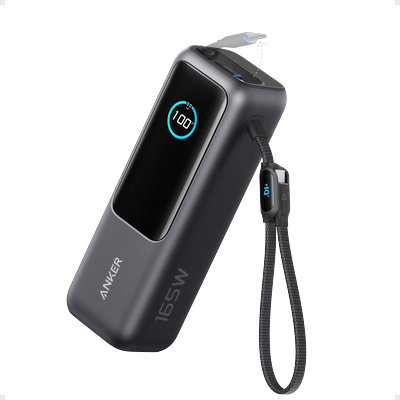
Anker Laptop Power Bank (25K, 165W, Built-In and Retractable Cables)Triple 100WÂ USB-C Ports for Multi-Device: Designed for multitaskers, featuring three USB-C ports each delivering up to 100W, allowing you to power a MacBook and other devices simultaneously without losing charging speed. 25,000mAh for Long-Haul...119,99 $*Shipping: 0,00 $Secure redirect to the provider
-
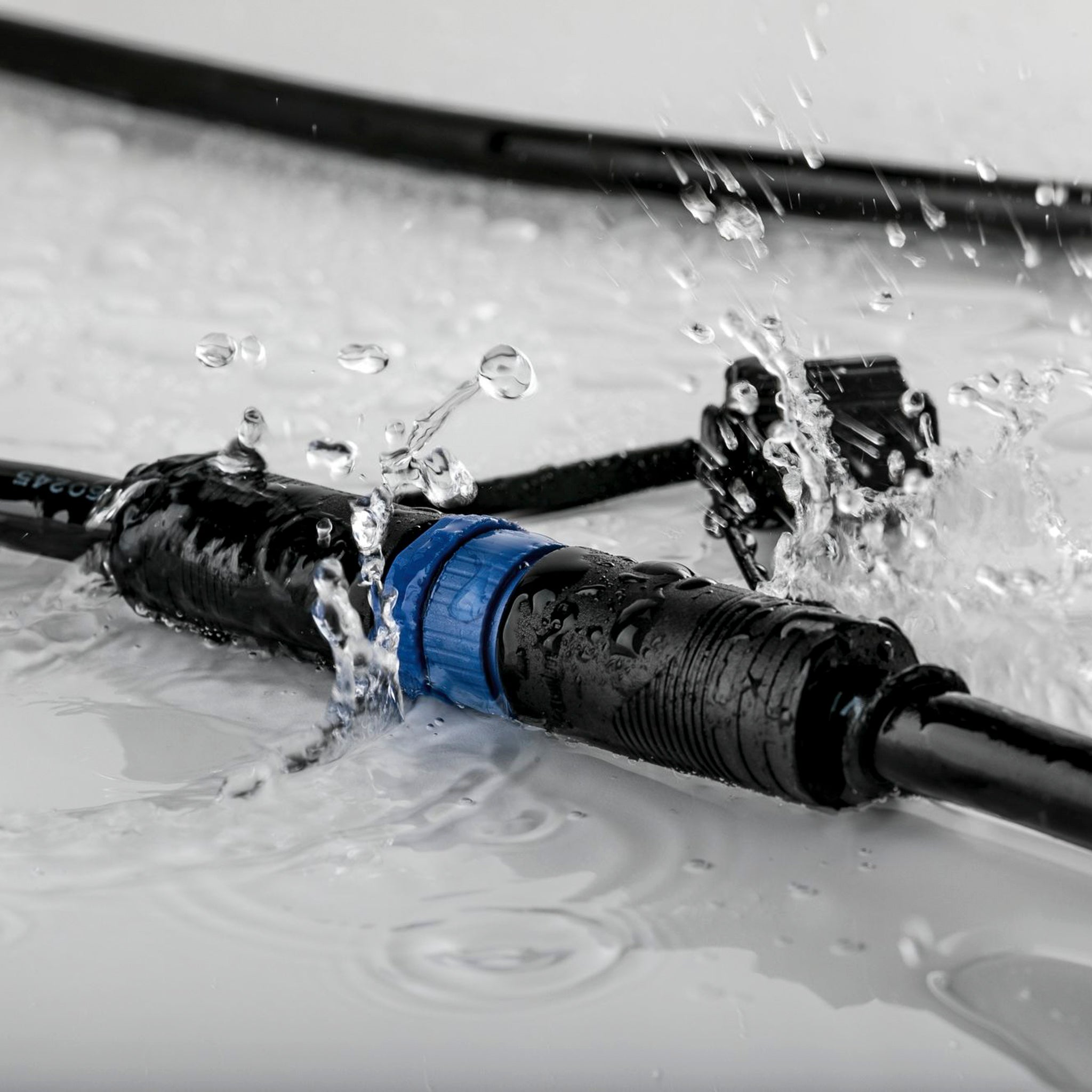
Paulmann - Plug & Shine Outdoor 2m Cables with 2 Outputs in BlackThe Plug & Shine connecting cable bridges distances of up to two metres and enables the connection of two extra luminaires or additional accessories. Unused connection ports can be sealed with the cover caps provided to guarantee the IP68 immersion protection. Combined with luminaires and transformers in the Plug & Shine series, they illuminate your outdoor spaces according to your personal preferences: from house walls or patios, through to garden paths and plants.19,99 £*Shipping: 4,99 £Secure redirect to the provider
-
Paulmann - Plug & Shine Outdoor 5m Cables with 2 Outputs in BlackThe Plug & Shine connecting cable bridges distances of up to five metres and enables the connection of two extra luminaires or additional accessories. Unused connection ports can be sealed with the cover caps provided to guarantee the IP68 immersion protection. Combined with luminaires and transformers in the Plug & Shine series, they illuminate your outdoor spaces according to your personal preferences: from house walls or patios, through to garden paths and plants.39,99 £*Shipping: 4,99 £Secure redirect to the provider
-
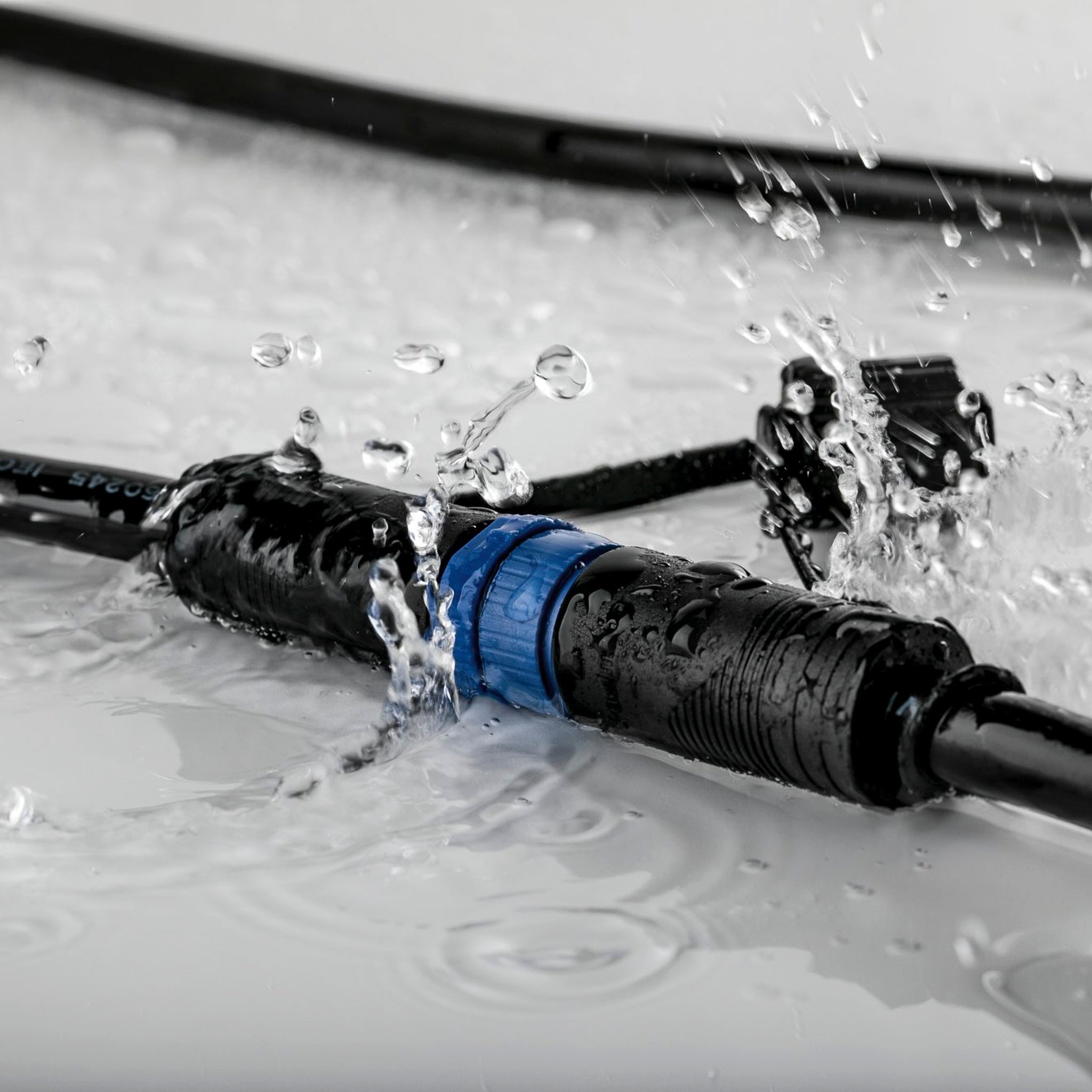
Paulmann - Plug & Shine Outdoor 10m Cables with 2 Outputs in BlackThe Plug & Shine connecting cable bridges distances of up to ten metres and enables the connection of two extra luminaires or additional accessories. Unused connection ports can be sealed with the cover caps provided to guarantee the IP68 immersion protection. Combined with luminaires and transformers in the Plug & Shine series, they illuminate your outdoor spaces according to your personal preferences: from house walls or patios, through to garden paths and plants.65,00 £*Shipping: 0,00 £Secure redirect to the provider


-
How do you differentiate between LAN cables of categories Cat5, Cat6, or Cat7?
LAN cables of different categories can be differentiated based on their performance and specifications. Cat5 cables are the oldest and offer a maximum data transfer speed of 1000 Mbps at a frequency of 100 MHz. Cat6 cables are an improvement over Cat5, offering a maximum data transfer speed of 10 Gbps at a frequency of 250 MHz. Cat7 cables are the most advanced, providing a maximum data transfer speed of 10 Gbps at a frequency of 600 MHz. Additionally, Cat7 cables are shielded to reduce interference and crosstalk, while Cat5 and Cat6 cables are unshielded. **
-
Can the direct current cross-section be distributed across multiple cables?
Yes, direct current can be distributed across multiple cables. By connecting multiple cables in parallel, the total current can be divided among the cables, allowing for the distribution of the direct current across them. This method is commonly used in electrical systems to ensure that the current is evenly distributed and to prevent overloading of individual cables. **
-
How do I determine the polarity of cables in direct current?
To determine the polarity of cables in direct current, you can use a multimeter set to the DC voltage setting. Connect the red probe to the positive terminal of the cable and the black probe to the negative terminal. If the multimeter shows a positive reading, then the red probe is connected to the positive terminal. If the reading is negative, then the red probe is connected to the negative terminal. This method helps you identify the polarity of the cables accurately. **
-
Do you need thicker cables for direct current than for alternating current?
No, you do not necessarily need thicker cables for direct current (DC) than for alternating current (AC). The current-carrying capacity of a cable is determined by factors such as the material, size, and insulation of the cable, as well as the voltage and current being carried. Both DC and AC have their own unique considerations when it comes to cable sizing, but the need for thicker cables is not inherently tied to the type of current being carried. It ultimately depends on the specific requirements of the electrical system and the application. **

Is the Cat6 patch panel shielded or unshielded?
The Cat6 patch panel can come in both shielded and unshielded versions. The shielded Cat6 patch panel has additional shielding to protect against electromagnetic interference, while the unshielded version does not have this extra protection. The choice between shielded and unshielded depends on the specific needs of the network and the level of interference present in the environment. **
How does the stress on cables differ between direct current and alternating current?
In direct current (DC) systems, the stress on cables is relatively constant because the current flows in one direction continuously. This results in a steady and predictable stress level on the cables. On the other hand, in alternating current (AC) systems, the stress on cables fluctuates as the current changes direction periodically. This can lead to higher stress levels on the cables, especially during peak currents, which may require cables to be designed to withstand these fluctuations. **
Top-Angebote
Products related to Cables-Direct-8m-CAT6:
-
Metro 8m² Chicken Coop Silver 8m²Experience a perfect blend of style and utility with this chicken cage, expertly crafted for outdoor environments. Built from premium steel and polyethylene, it provides a solid, rust-resistant framework for your poultry, ensuring longevity and stability in varied weather conditions. Its clean, modern design, characterized by minimal ornamentation, fits effortlessly on terraces and garden spaces, adding a touch of elegance while keeping your chickens secure. This cage is not only designed for aesthetic appeal but also for functionality and ease of maintenance. Its simple upkeep, requiring a mere wipe down with a damp cloth, allows you to maintain cleanliness effortlessly. By opting for this durable chicken habitat, you're choosing reliability and style for your outdoor setup. Suitable for garden and terrace use, this cage offers a comfortable refuge for poultry enthusiasts, allowing them to enjoy both safety and design excellence. Whether conditioning for small societies or larger environments, its adaptable size and layout ensure your chickens will live in harmony with their environment. Metro Lane366,99 £*Shipping: 0,00 £Secure redirect to the provider
-
Anker Laptop Power Bank (25K, 165W, Built-In and Retractable Cables)Triple 100WÂ USB-C Ports for Multi-Device: Designed for multitaskers, featuring three USB-C ports each delivering up to 100W, allowing you to power a MacBook and other devices simultaneously without losing charging speed. 25,000mAh for Long-Haul...119,99 $*Shipping: 0,00 $Secure redirect to the provider
-
Paulmann - Plug & Shine Outdoor 2m Cables with 2 Outputs in BlackThe Plug & Shine connecting cable bridges distances of up to two metres and enables the connection of two extra luminaires or additional accessories. Unused connection ports can be sealed with the cover caps provided to guarantee the IP68 immersion protection. Combined with luminaires and transformers in the Plug & Shine series, they illuminate your outdoor spaces according to your personal preferences: from house walls or patios, through to garden paths and plants.19,99 £*Shipping: 4,99 £Secure redirect to the provider
-
Since when have Cat6 LAN cables been around?
Cat6 LAN cables have been around since 2002. They were introduced as an upgrade to the previous Cat5e cables, offering faster data transmission speeds and better performance. Cat6 cables have become the standard choice for many network installations due to their improved capabilities for handling high-speed data transfer and reducing crosstalk. **
-
What types of Ethernet cables are there, such as Cat5, Cat6, or Cat7?
There are several types of Ethernet cables, including Cat5, Cat6, and Cat7. Cat5 cables are the most common and can support speeds up to 1000 Mbps. Cat6 cables are an improvement over Cat5, offering higher performance and faster speeds, up to 10 Gbps. Cat7 cables are the latest standard and can support even higher speeds, up to 10 Gbps over 100 meters. Each type of cable has different specifications and capabilities, so it's important to choose the right one for your specific networking needs. **
-
How do you differentiate between LAN cables of categories Cat5, Cat6, or Cat7?
LAN cables of different categories can be differentiated based on their performance and specifications. Cat5 cables are the oldest and offer a maximum data transfer speed of 1000 Mbps at a frequency of 100 MHz. Cat6 cables are an improvement over Cat5, offering a maximum data transfer speed of 10 Gbps at a frequency of 250 MHz. Cat7 cables are the most advanced, providing a maximum data transfer speed of 10 Gbps at a frequency of 600 MHz. Additionally, Cat7 cables are shielded to reduce interference and crosstalk, while Cat5 and Cat6 cables are unshielded. **
-
Can the direct current cross-section be distributed across multiple cables?
Yes, direct current can be distributed across multiple cables. By connecting multiple cables in parallel, the total current can be divided among the cables, allowing for the distribution of the direct current across them. This method is commonly used in electrical systems to ensure that the current is evenly distributed and to prevent overloading of individual cables. **
Similar search terms for Cables-Direct-8m-CAT6
-
Paulmann - Plug & Shine Outdoor 5m Cables with 2 Outputs in BlackThe Plug & Shine connecting cable bridges distances of up to five metres and enables the connection of two extra luminaires or additional accessories. Unused connection ports can be sealed with the cover caps provided to guarantee the IP68 immersion protection. Combined with luminaires and transformers in the Plug & Shine series, they illuminate your outdoor spaces according to your personal preferences: from house walls or patios, through to garden paths and plants.39,99 £*Shipping: 4,99 £Secure redirect to the provider
-
Paulmann - Plug & Shine Outdoor 10m Cables with 2 Outputs in BlackThe Plug & Shine connecting cable bridges distances of up to ten metres and enables the connection of two extra luminaires or additional accessories. Unused connection ports can be sealed with the cover caps provided to guarantee the IP68 immersion protection. Combined with luminaires and transformers in the Plug & Shine series, they illuminate your outdoor spaces according to your personal preferences: from house walls or patios, through to garden paths and plants.65,00 £*Shipping: 0,00 £Secure redirect to the provider
-
Paulmann - Plug & Shine Outdoor 10m Cables with 5 Outputs in BlackThe Plug & Shine connecting cable bridges distances of up to ten metres and enables the connection of five extra luminaires or additional accessories. Unused connection ports can be sealed with the cover caps provided to guarantee the IP68 immersion protection. Combined with luminaires and transformers in the Plug & Shine series, they illuminate your outdoor spaces according to your personal preferences: from house walls or patios, through to garden paths and plants.75,00 £*Shipping: 0,00 £Secure redirect to the provider
-
Paulmann - Plug & Shine Outdoor 15m Cables with 7 Outputs in BlackThe Plug & Shine connecting cable bridges distances of up to fifteen metres and enables the connection of seven extra luminaires or additional accessories. Unused connection ports can be sealed with the cover caps provided to guarantee the IP68 immersion protection. Combined with luminaires and transformers in the Plug & Shine series, they illuminate your outdoor spaces according to your personal preferences: from house walls or patios, through to garden paths and plants.95,00 £*Shipping: 0,00 £Secure redirect to the provider
-
How do I determine the polarity of cables in direct current?
To determine the polarity of cables in direct current, you can use a multimeter set to the DC voltage setting. Connect the red probe to the positive terminal of the cable and the black probe to the negative terminal. If the multimeter shows a positive reading, then the red probe is connected to the positive terminal. If the reading is negative, then the red probe is connected to the negative terminal. This method helps you identify the polarity of the cables accurately. **
-
Do you need thicker cables for direct current than for alternating current?
No, you do not necessarily need thicker cables for direct current (DC) than for alternating current (AC). The current-carrying capacity of a cable is determined by factors such as the material, size, and insulation of the cable, as well as the voltage and current being carried. Both DC and AC have their own unique considerations when it comes to cable sizing, but the need for thicker cables is not inherently tied to the type of current being carried. It ultimately depends on the specific requirements of the electrical system and the application. **
-
Is the Cat6 patch panel shielded or unshielded?
The Cat6 patch panel can come in both shielded and unshielded versions. The shielded Cat6 patch panel has additional shielding to protect against electromagnetic interference, while the unshielded version does not have this extra protection. The choice between shielded and unshielded depends on the specific needs of the network and the level of interference present in the environment. **
-
How does the stress on cables differ between direct current and alternating current?
In direct current (DC) systems, the stress on cables is relatively constant because the current flows in one direction continuously. This results in a steady and predictable stress level on the cables. On the other hand, in alternating current (AC) systems, the stress on cables fluctuates as the current changes direction periodically. This can lead to higher stress levels on the cables, especially during peak currents, which may require cables to be designed to withstand these fluctuations. **
* All prices are inclusive of VAT and, if applicable, plus shipping costs. The offer information is based on the details provided by the respective shop and is updated through automated processes. Real-time updates do not occur, so deviations can occur in individual cases. ** Note: Parts of this content were created by AI.