Buy metal-lathes.net ?
We are moving the project
metal-lathes.net .
Are you interested in purchasing the domain
metal-lathes.net ?
domain@kv-gmbh.de · 0541-91531010
Buy metal-lathes.net ?
Are all axisymmetric triangles isosceles?
No, not all axisymmetric triangles are isosceles. An axisymmetric triangle is a triangle that can be rotated 180 degrees and still look the same. Isosceles triangles are a specific type of triangle where two sides are equal in length. While an isosceles triangle can be axisymmetric, not all axisymmetric triangles are isosceles. **
Why is a parallelogram not axisymmetric?
A parallelogram is not axisymmetric because it does not have rotational symmetry around any axis. In an axisymmetric shape, any rotation around a central axis will result in the same shape. However, in a parallelogram, rotating it around any axis other than its center will result in a different orientation and shape. This lack of rotational symmetry around any axis is what distinguishes a parallelogram from an axisymmetric shape. **

Similar search terms for Axisymmetric
Top-Angebote
Products related to Axisymmetric:
-
Uplifted Finds New Hanging Spiral Rattle Stroller Toy Soft Plush Crib Car Seat Lathe Activity Toy New Hanging Spiral Rattle Stroller Toy Soft Plush Crib Car Seat Lathe Activity ToyKeep your infant entertained and engaged with this New Hanging Spiral Rattle Stroller Toy. This versatile Infant Baby Toy easily wraps around Cribs, Car Seats, and Strollers, making it the perfect Travel Activity Toy for onthego parents. Featuring...171,97 $*Shipping: 0,00 $Secure redirect to the provider
-
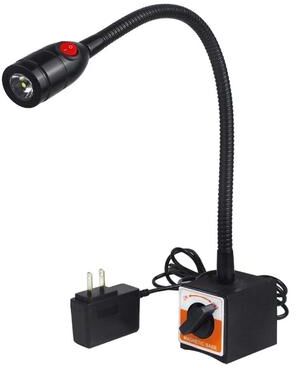
All Categories Goods Magnetic LED Work Light With Flexible Gooseneck CNC Machine Lamp Adjustable Lathe Work Light Magnetic LED Work Light With Flexible Gooseneck CNC Machine Lamp Adjustable Lathe Work LightStart every job with confidence using this magnetic LED work light designed for professionals and hobbyists alike. Built to deliver bright, consistent illumination exactly where you need it, this flexible gooseneck machine lamp stays firmly in place...127,97 $*Shipping: 0,00 $Secure redirect to the provider
-
Multicon Wholesale Hub Premium Magnetic Base LED Work Light With Adjustable Flexible Gooseneck For CNC & Lathe Machines Premium Magnetic Base LED Work Light With Adjustable Flexible Gooseneck For CNC & Lathe MachinesStep up your workshop lighting and never miss a detail again with this magnetic base LED work light designed for machinists and DIY professionals alike. This precision CNC machine lamp brings bright, focused illumination right where you need...89,97 $*Shipping: 0,00 $Secure redirect to the provider



-
Is it axisymmetric or point-symmetric?
The object is axisymmetric because it has rotational symmetry around an axis, meaning it looks the same when rotated around that axis. Point-symmetry, on the other hand, involves reflection symmetry around a point, which is not present in this case. **
-
Are regularly constructed figures always also axisymmetric?
No, regularly constructed figures are not always axisymmetric. While axisymmetric figures have rotational symmetry around an axis, regularly constructed figures have equal sides and angles. Some regularly constructed figures, such as squares and equilateral triangles, may also be axisymmetric due to their symmetry properties, but others, like regular pentagons or hexagons, do not possess axisymmetry. **
-
Can a figure be both axisymmetric and point-symmetric?
No, a figure cannot be both axisymmetric and point-symmetric at the same time. Axisymmetric means that the figure has rotational symmetry around an axis, while point-symmetric means that the figure has symmetry around a central point. These two types of symmetry are mutually exclusive, as a figure cannot have both rotational symmetry around an axis and symmetry around a central point simultaneously. **
-
Can a rational function be both axisymmetric and point-symmetric?
No, a rational function cannot be both axisymmetric and point-symmetric. Axisymmetric means that the function is symmetric with respect to rotation around an axis, while point-symmetric means that the function is symmetric with respect to reflection across a point. These two types of symmetry are not compatible with each other, so a function cannot exhibit both types of symmetry simultaneously. **

Why is the derivative of an axisymmetric function always point-symmetric?
The derivative of an axisymmetric function is always point-symmetric because the function has the same value at every point along a given radius from the axis of symmetry. This means that the rate of change of the function with respect to the distance from the axis is the same in all directions, resulting in a point-symmetric derivative. In other words, the derivative of an axisymmetric function is the same in all directions, leading to point-symmetry. **
What distinguishes a wood lathe from a metal lathe?
A wood lathe is specifically designed for working with wood, while a metal lathe is designed for working with metal. Wood lathes typically have lower speed ranges and higher torque to accommodate the softer and less dense nature of wood, while metal lathes have higher speed ranges and lower torque to handle the harder and denser nature of metal. Additionally, wood lathes often have features such as adjustable tool rests and tailstocks to accommodate the unique shapes and sizes of wood pieces, while metal lathes may have features such as coolant systems and chip trays to manage the heat and debris generated during metalworking. **
Top-Angebote
Products related to Axisymmetric:
-
Uplifted Finds New Hanging Spiral Rattle Stroller Toy Soft Plush Crib Car Seat Lathe Activity Toy New Hanging Spiral Rattle Stroller Toy Soft Plush Crib Car Seat Lathe Activity ToyKeep your infant entertained and engaged with this New Hanging Spiral Rattle Stroller Toy. This versatile Infant Baby Toy easily wraps around Cribs, Car Seats, and Strollers, making it the perfect Travel Activity Toy for onthego parents. Featuring...171,97 $*Shipping: 0,00 $Secure redirect to the provider
-
All Categories Goods Magnetic LED Work Light With Flexible Gooseneck CNC Machine Lamp Adjustable Lathe Work Light Magnetic LED Work Light With Flexible Gooseneck CNC Machine Lamp Adjustable Lathe Work LightStart every job with confidence using this magnetic LED work light designed for professionals and hobbyists alike. Built to deliver bright, consistent illumination exactly where you need it, this flexible gooseneck machine lamp stays firmly in place...127,97 $*Shipping: 0,00 $Secure redirect to the provider
-
Are all axisymmetric triangles isosceles?
No, not all axisymmetric triangles are isosceles. An axisymmetric triangle is a triangle that can be rotated 180 degrees and still look the same. Isosceles triangles are a specific type of triangle where two sides are equal in length. While an isosceles triangle can be axisymmetric, not all axisymmetric triangles are isosceles. **
-
Why is a parallelogram not axisymmetric?
A parallelogram is not axisymmetric because it does not have rotational symmetry around any axis. In an axisymmetric shape, any rotation around a central axis will result in the same shape. However, in a parallelogram, rotating it around any axis other than its center will result in a different orientation and shape. This lack of rotational symmetry around any axis is what distinguishes a parallelogram from an axisymmetric shape. **
-
Is it axisymmetric or point-symmetric?
The object is axisymmetric because it has rotational symmetry around an axis, meaning it looks the same when rotated around that axis. Point-symmetry, on the other hand, involves reflection symmetry around a point, which is not present in this case. **
-
Are regularly constructed figures always also axisymmetric?
No, regularly constructed figures are not always axisymmetric. While axisymmetric figures have rotational symmetry around an axis, regularly constructed figures have equal sides and angles. Some regularly constructed figures, such as squares and equilateral triangles, may also be axisymmetric due to their symmetry properties, but others, like regular pentagons or hexagons, do not possess axisymmetry. **
Similar search terms for Axisymmetric
-
Multicon Wholesale Hub Premium Magnetic Base LED Work Light With Adjustable Flexible Gooseneck For CNC & Lathe Machines Premium Magnetic Base LED Work Light With Adjustable Flexible Gooseneck For CNC & Lathe MachinesStep up your workshop lighting and never miss a detail again with this magnetic base LED work light designed for machinists and DIY professionals alike. This precision CNC machine lamp brings bright, focused illumination right where you need...89,97 $*Shipping: 0,00 $Secure redirect to the provider
-
Can a figure be both axisymmetric and point-symmetric?
No, a figure cannot be both axisymmetric and point-symmetric at the same time. Axisymmetric means that the figure has rotational symmetry around an axis, while point-symmetric means that the figure has symmetry around a central point. These two types of symmetry are mutually exclusive, as a figure cannot have both rotational symmetry around an axis and symmetry around a central point simultaneously. **
-
Can a rational function be both axisymmetric and point-symmetric?
No, a rational function cannot be both axisymmetric and point-symmetric. Axisymmetric means that the function is symmetric with respect to rotation around an axis, while point-symmetric means that the function is symmetric with respect to reflection across a point. These two types of symmetry are not compatible with each other, so a function cannot exhibit both types of symmetry simultaneously. **
-
Why is the derivative of an axisymmetric function always point-symmetric?
The derivative of an axisymmetric function is always point-symmetric because the function has the same value at every point along a given radius from the axis of symmetry. This means that the rate of change of the function with respect to the distance from the axis is the same in all directions, resulting in a point-symmetric derivative. In other words, the derivative of an axisymmetric function is the same in all directions, leading to point-symmetry. **
-
What distinguishes a wood lathe from a metal lathe?
A wood lathe is specifically designed for working with wood, while a metal lathe is designed for working with metal. Wood lathes typically have lower speed ranges and higher torque to accommodate the softer and less dense nature of wood, while metal lathes have higher speed ranges and lower torque to handle the harder and denser nature of metal. Additionally, wood lathes often have features such as adjustable tool rests and tailstocks to accommodate the unique shapes and sizes of wood pieces, while metal lathes may have features such as coolant systems and chip trays to manage the heat and debris generated during metalworking. **
* All prices are inclusive of VAT and, if applicable, plus shipping costs. The offer information is based on the details provided by the respective shop and is updated through automated processes. Real-time updates do not occur, so deviations can occur in individual cases. ** Note: Parts of this content were created by AI.