Buy metal-lathes.net ?
We are moving the project
metal-lathes.net .
Are you interested in purchasing the domain
metal-lathes.net ?
domain@kv-gmbh.de · 0541-91531010
Buy metal-lathes.net ?
What is the difference between self-inductance and mutual inductance?
Self-inductance occurs when a changing current in a circuit induces an electromotive force in the same circuit, creating a magnetic field that opposes the change in current. Mutual inductance, on the other hand, occurs when the changing current in one circuit induces an electromotive force in a nearby circuit, creating a magnetic field that affects the second circuit. In essence, self-inductance is the effect of a changing current on the same circuit, while mutual inductance is the effect of a changing current in one circuit on a nearby circuit. **
How do you calculate inductance?
Inductance is calculated using the formula L = (N^2 * μ * A) / l, where L is the inductance in henries, N is the number of turns in the coil, μ is the permeability of the core material, A is the cross-sectional area of the coil, and l is the length of the coil. By plugging in the values for these variables, you can determine the inductance of a coil. Additionally, inductance can also be calculated using the formula L = (Φ / I), where Φ is the magnetic flux through the coil and I is the current flowing through the coil. **


Similar search terms for Inductance
Top-Angebote
Products related to Inductance:
-
Uplifted Finds New Hanging Spiral Rattle Stroller Toy Soft Plush Crib Car Seat Lathe Activity Toy New Hanging Spiral Rattle Stroller Toy Soft Plush Crib Car Seat Lathe Activity ToyKeep your infant entertained and engaged with this New Hanging Spiral Rattle Stroller Toy. This versatile Infant Baby Toy easily wraps around Cribs, Car Seats, and Strollers, making it the perfect Travel Activity Toy for onthego parents. Featuring...171,97 $*Shipping: 0,00 $Secure redirect to the provider
-
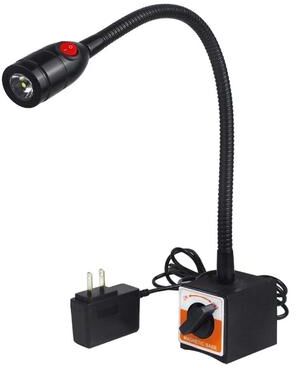
All Categories Goods Magnetic LED Work Light With Flexible Gooseneck CNC Machine Lamp Adjustable Lathe Work Light Magnetic LED Work Light With Flexible Gooseneck CNC Machine Lamp Adjustable Lathe Work LightStart every job with confidence using this magnetic LED work light designed for professionals and hobbyists alike. Built to deliver bright, consistent illumination exactly where you need it, this flexible gooseneck machine lamp stays firmly in place...127,97 $*Shipping: 0,00 $Secure redirect to the provider
-
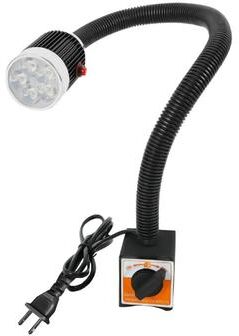
Multicon Wholesale Hub Premium Magnetic Base LED Work Light With Adjustable Flexible Gooseneck For CNC & Lathe Machines Premium Magnetic Base LED Work Light With Adjustable Flexible Gooseneck For CNC & Lathe MachinesStep up your workshop lighting and never miss a detail again with this magnetic base LED work light designed for machinists and DIY professionals alike. This precision CNC machine lamp brings bright, focused illumination right where you need...89,97 $*Shipping: 0,00 $Secure redirect to the provider
-
All Categories Goods Heavy Duty Magnetic Base Work Light With Flexible Gooseneck LED Lamp For Lathe & CNC Milling Machines Heavy Duty Magnetic Base Work Light With Flexible Gooseneck LED Lamp For Lathe & CNC Milling MachinesStep into a brighter, more precise workspace with the magnetic base work light that machinists and DIYers love. Designed to deliver focused illumination exactly where you need it, this gooseneck LED lamp makes detailed work on lathes and CNC mills...79,97 $*Shipping: 0,00 $Secure redirect to the provider



-
What is the effective value and inductance?
The effective value of an inductor is the root mean square (RMS) value of the alternating current that flows through it. It represents the equivalent constant current that would produce the same amount of power dissipation in a resistor as the varying current in the inductor. The inductance of an inductor is a measure of its ability to store energy in the form of a magnetic field when current flows through it. It is typically measured in henries (H) and indicates how much voltage is induced per unit rate of change of current. **
-
How can one explain inductance measurement simply?
Inductance measurement is a way to determine the ability of a coil to store energy in a magnetic field when a current flows through it. It is measured in henries (H) and can be calculated by applying a known voltage to the coil and measuring the resulting current. The higher the inductance value, the more energy the coil can store. Inductance measurement is important in designing and testing electronic circuits, as it helps ensure proper functioning of components like transformers and inductors. **
-
What is the inductance of coil 2?
The inductance of coil 2 can be calculated using the formula L = (μ * N^2 * A) / l, where μ is the permeability of the core material, N is the number of turns in the coil, A is the cross-sectional area of the coil, and l is the length of the coil. Given the values for these parameters, the inductance of coil 2 can be determined by plugging them into the formula. **
-
What is the inductance of this coil?
The inductance of a coil is a measure of its ability to store energy in a magnetic field when a current passes through it. It is typically measured in henries (H). To determine the inductance of the coil in the given scenario, we would need to know the number of turns in the coil, the cross-sectional area of the coil, the material of the core, and the length of the coil. Without this information, it is not possible to calculate the inductance of the coil. **

What comes first: inductance, capacitance, current, or voltage?
In an electrical circuit, current is the flow of electric charge, so it is typically the first to be considered. Once current is established, the next factors to consider are voltage, which is the potential difference that drives the current, and then capacitance and inductance, which are properties that affect how the circuit responds to changes in voltage and current. So, the order of consideration is generally current, voltage, capacitance, and inductance. **
How does the inductance of coils change exactly?
The inductance of coils changes proportionally to the number of turns of wire in the coil. As the number of turns increases, the magnetic field generated by the coil also increases, leading to a higher inductance. Additionally, the inductance of a coil also depends on the material of the core inside the coil. Using a core material with higher permeability will increase the inductance of the coil. **
Top-Angebote
Products related to Inductance:
-
Uplifted Finds New Hanging Spiral Rattle Stroller Toy Soft Plush Crib Car Seat Lathe Activity Toy New Hanging Spiral Rattle Stroller Toy Soft Plush Crib Car Seat Lathe Activity ToyKeep your infant entertained and engaged with this New Hanging Spiral Rattle Stroller Toy. This versatile Infant Baby Toy easily wraps around Cribs, Car Seats, and Strollers, making it the perfect Travel Activity Toy for onthego parents. Featuring...171,97 $*Shipping: 0,00 $Secure redirect to the provider
-
All Categories Goods Magnetic LED Work Light With Flexible Gooseneck CNC Machine Lamp Adjustable Lathe Work Light Magnetic LED Work Light With Flexible Gooseneck CNC Machine Lamp Adjustable Lathe Work LightStart every job with confidence using this magnetic LED work light designed for professionals and hobbyists alike. Built to deliver bright, consistent illumination exactly where you need it, this flexible gooseneck machine lamp stays firmly in place...127,97 $*Shipping: 0,00 $Secure redirect to the provider
-
What is the difference between self-inductance and mutual inductance?
Self-inductance occurs when a changing current in a circuit induces an electromotive force in the same circuit, creating a magnetic field that opposes the change in current. Mutual inductance, on the other hand, occurs when the changing current in one circuit induces an electromotive force in a nearby circuit, creating a magnetic field that affects the second circuit. In essence, self-inductance is the effect of a changing current on the same circuit, while mutual inductance is the effect of a changing current in one circuit on a nearby circuit. **
-
How do you calculate inductance?
Inductance is calculated using the formula L = (N^2 * μ * A) / l, where L is the inductance in henries, N is the number of turns in the coil, μ is the permeability of the core material, A is the cross-sectional area of the coil, and l is the length of the coil. By plugging in the values for these variables, you can determine the inductance of a coil. Additionally, inductance can also be calculated using the formula L = (Φ / I), where Φ is the magnetic flux through the coil and I is the current flowing through the coil. **
-
What is the effective value and inductance?
The effective value of an inductor is the root mean square (RMS) value of the alternating current that flows through it. It represents the equivalent constant current that would produce the same amount of power dissipation in a resistor as the varying current in the inductor. The inductance of an inductor is a measure of its ability to store energy in the form of a magnetic field when current flows through it. It is typically measured in henries (H) and indicates how much voltage is induced per unit rate of change of current. **
-
How can one explain inductance measurement simply?
Inductance measurement is a way to determine the ability of a coil to store energy in a magnetic field when a current flows through it. It is measured in henries (H) and can be calculated by applying a known voltage to the coil and measuring the resulting current. The higher the inductance value, the more energy the coil can store. Inductance measurement is important in designing and testing electronic circuits, as it helps ensure proper functioning of components like transformers and inductors. **
Similar search terms for Inductance
-
Multicon Wholesale Hub Premium Magnetic Base LED Work Light With Adjustable Flexible Gooseneck For CNC & Lathe Machines Premium Magnetic Base LED Work Light With Adjustable Flexible Gooseneck For CNC & Lathe MachinesStep up your workshop lighting and never miss a detail again with this magnetic base LED work light designed for machinists and DIY professionals alike. This precision CNC machine lamp brings bright, focused illumination right where you need...89,97 $*Shipping: 0,00 $Secure redirect to the provider
-
All Categories Goods Heavy Duty Magnetic Base Work Light With Flexible Gooseneck LED Lamp For Lathe & CNC Milling Machines Heavy Duty Magnetic Base Work Light With Flexible Gooseneck LED Lamp For Lathe & CNC Milling MachinesStep into a brighter, more precise workspace with the magnetic base work light that machinists and DIYers love. Designed to deliver focused illumination exactly where you need it, this gooseneck LED lamp makes detailed work on lathes and CNC mills...79,97 $*Shipping: 0,00 $Secure redirect to the provider
-
Multicon Wholesale Hub Magnetic Base Work Light LED Machine Light With Flexible Gooseneck For CNC Lathe & Workshop Task Lighting Magnetic Base Work Light LED Machine Light With Flexible Gooseneck For CNC Lathe & Workshop Task LightingElevate every job, big or small, with lighting that puts precision and confidence at your fingertips. The magnetic base work light is designed for machinists, metalworkers, and home workshop enthusiasts who need clear, shadowfree illumination right...139,97 $*Shipping: 0,00 $Secure redirect to the provider
-
What is the inductance of coil 2?
The inductance of coil 2 can be calculated using the formula L = (μ * N^2 * A) / l, where μ is the permeability of the core material, N is the number of turns in the coil, A is the cross-sectional area of the coil, and l is the length of the coil. Given the values for these parameters, the inductance of coil 2 can be determined by plugging them into the formula. **
-
What is the inductance of this coil?
The inductance of a coil is a measure of its ability to store energy in a magnetic field when a current passes through it. It is typically measured in henries (H). To determine the inductance of the coil in the given scenario, we would need to know the number of turns in the coil, the cross-sectional area of the coil, the material of the core, and the length of the coil. Without this information, it is not possible to calculate the inductance of the coil. **
-
What comes first: inductance, capacitance, current, or voltage?
In an electrical circuit, current is the flow of electric charge, so it is typically the first to be considered. Once current is established, the next factors to consider are voltage, which is the potential difference that drives the current, and then capacitance and inductance, which are properties that affect how the circuit responds to changes in voltage and current. So, the order of consideration is generally current, voltage, capacitance, and inductance. **
-
How does the inductance of coils change exactly?
The inductance of coils changes proportionally to the number of turns of wire in the coil. As the number of turns increases, the magnetic field generated by the coil also increases, leading to a higher inductance. Additionally, the inductance of a coil also depends on the material of the core inside the coil. Using a core material with higher permeability will increase the inductance of the coil. **
* All prices are inclusive of VAT and, if applicable, plus shipping costs. The offer information is based on the details provided by the respective shop and is updated through automated processes. Real-time updates do not occur, so deviations can occur in individual cases. ** Note: Parts of this content were created by AI.