Buy metal-lathes.net ?
We are moving the project
metal-lathes.net .
Are you interested in purchasing the domain
metal-lathes.net ?
domain@kv-gmbh.de · 0541-91531010
Buy metal-lathes.net ?
What does 'leur' and 'lui' mean?
In French, 'leur' is a pronoun that means 'their' or 'them' when referring to a group of people or things. It is used to indicate possession or indirect object. On the other hand, 'lui' is a pronoun that means 'him' or 'her' when referring to a singular person. It is used to indicate possession or as an indirect object. **
How is "eux" or "leur" used in French?
"Eux" and "leur" are both pronouns used in French to refer to people or things. "Eux" is used as a direct object pronoun to replace a group of people or things, while "leur" is used as an indirect object pronoun to replace a group of people. For example, "Je les ai vus" (I saw them) uses "les" as a direct object pronoun, while "Je leur ai parlé" (I spoke to them) uses "leur" as an indirect object pronoun. **


Similar search terms for Leur
Top-Angebote
Products related to Leur:
-
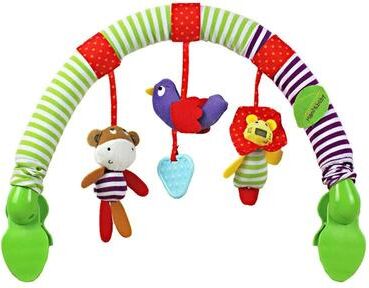
Uplifted Finds New Hanging Spiral Rattle Stroller Toy Soft Plush Crib Car Seat Lathe Activity Toy New Hanging Spiral Rattle Stroller Toy Soft Plush Crib Car Seat Lathe Activity ToyKeep your infant entertained and engaged with this New Hanging Spiral Rattle Stroller Toy. This versatile Infant Baby Toy easily wraps around Cribs, Car Seats, and Strollers, making it the perfect Travel Activity Toy for onthego parents. Featuring...171,97 $*Shipping: 0,00 $Secure redirect to the provider
-
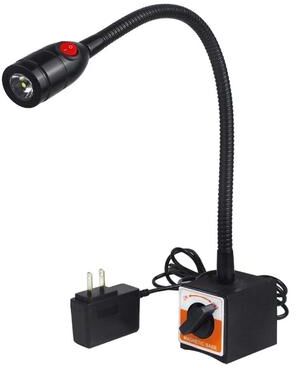
Multicon Wholesale Hub Premium Magnetic Base LED Work Light With Adjustable Flexible Gooseneck For CNC & Lathe Machines Premium Magnetic Base LED Work Light With Adjustable Flexible Gooseneck For CNC & Lathe MachinesStep up your workshop lighting and never miss a detail again with this magnetic base LED work light designed for machinists and DIY professionals alike. This precision CNC machine lamp brings bright, focused illumination right where you need...89,97 $*Shipping: 0,00 $Secure redirect to the provider
-
All Categories Goods Magnetic LED Work Light With Flexible Gooseneck CNC Machine Lamp Adjustable Lathe Work Light Magnetic LED Work Light With Flexible Gooseneck CNC Machine Lamp Adjustable Lathe Work LightStart every job with confidence using this magnetic LED work light designed for professionals and hobbyists alike. Built to deliver bright, consistent illumination exactly where you need it, this flexible gooseneck machine lamp stays firmly in place...127,97 $*Shipping: 0,00 $Secure redirect to the provider


-
How are the object pronouns lui and leur used?
The object pronouns lui and leur are used to replace indirect objects in French. Lui is used to replace singular indirect objects, while leur is used to replace plural indirect objects. These pronouns come before the verb in a sentence and agree in gender and number with the noun they are replacing. For example, "Je lui parle" means "I am talking to him/her" and "Je leur donne des cadeaux" means "I am giving them gifts." **
-
What is the difference between ses, leur and leurs?
Ses, leur, and leurs are all possessive adjectives in French, but they are used in different contexts. "Ses" is used to indicate possession by a singular third person, "leur" is used for a singular third person, and "leurs" is used for plural third person. For example, "ses chaussures" means "his/her shoes," "leur maison" means "their house," and "leurs voitures" means "their cars." It's important to pay attention to the number and gender of the noun being possessed in order to choose the correct possessive adjective. **
-
'I don't understand the use of lui and leur?'
In French, "lui" and "leur" are both used as indirect object pronouns to replace nouns that are the recipients of the action. "Lui" is used to refer to a singular masculine or feminine noun, while "leur" is used to refer to a plural noun. For example, "Je lui ai donné le livre" means "I gave him/her the book," and "Je leur ai donné les livres" means "I gave them the books." It's important to remember that these pronouns must agree in gender and number with the noun they are replacing. **
-
When do I use leur and leurs in French?
You use "leur" when you want to indicate possession or belonging for a singular noun, and "leurs" when you want to indicate possession or belonging for plural nouns. For example, "leur maison" means "their house" (singular), and "leurs voitures" means "their cars" (plural). **


What is the difference between leur and leurs in French?
In French, "leur" is used as a singular possessive pronoun meaning "their" when referring to one person or thing. On the other hand, "leurs" is the plural form of "leur" and is used when referring to multiple people or things. So, the main difference between "leur" and "leurs" is that "leur" is singular and "leurs" is plural. **
How can one recognize when to use "leur" or "eux"?
One can recognize when to use "leur" or "eux" by understanding their different functions in a sentence. "Leur" is a pronoun used to indicate possession or indirect object, while "eux" is a pronoun used as a subject or direct object. Therefore, if the pronoun is referring to possession or an indirect object, "leur" should be used. If the pronoun is referring to a subject or direct object, "eux" should be used. **
Top-Angebote
Products related to Leur:
-
Uplifted Finds New Hanging Spiral Rattle Stroller Toy Soft Plush Crib Car Seat Lathe Activity Toy New Hanging Spiral Rattle Stroller Toy Soft Plush Crib Car Seat Lathe Activity ToyKeep your infant entertained and engaged with this New Hanging Spiral Rattle Stroller Toy. This versatile Infant Baby Toy easily wraps around Cribs, Car Seats, and Strollers, making it the perfect Travel Activity Toy for onthego parents. Featuring...171,97 $*Shipping: 0,00 $Secure redirect to the provider
-
What does 'leur' and 'lui' mean?
In French, 'leur' is a pronoun that means 'their' or 'them' when referring to a group of people or things. It is used to indicate possession or indirect object. On the other hand, 'lui' is a pronoun that means 'him' or 'her' when referring to a singular person. It is used to indicate possession or as an indirect object. **
-
How is "eux" or "leur" used in French?
"Eux" and "leur" are both pronouns used in French to refer to people or things. "Eux" is used as a direct object pronoun to replace a group of people or things, while "leur" is used as an indirect object pronoun to replace a group of people. For example, "Je les ai vus" (I saw them) uses "les" as a direct object pronoun, while "Je leur ai parlé" (I spoke to them) uses "leur" as an indirect object pronoun. **
-
How are the object pronouns lui and leur used?
The object pronouns lui and leur are used to replace indirect objects in French. Lui is used to replace singular indirect objects, while leur is used to replace plural indirect objects. These pronouns come before the verb in a sentence and agree in gender and number with the noun they are replacing. For example, "Je lui parle" means "I am talking to him/her" and "Je leur donne des cadeaux" means "I am giving them gifts." **
-
What is the difference between ses, leur and leurs?
Ses, leur, and leurs are all possessive adjectives in French, but they are used in different contexts. "Ses" is used to indicate possession by a singular third person, "leur" is used for a singular third person, and "leurs" is used for plural third person. For example, "ses chaussures" means "his/her shoes," "leur maison" means "their house," and "leurs voitures" means "their cars." It's important to pay attention to the number and gender of the noun being possessed in order to choose the correct possessive adjective. **
Similar search terms for Leur
-
Multicon Wholesale Hub Premium Magnetic Base LED Work Light With Adjustable Flexible Gooseneck For CNC & Lathe Machines Premium Magnetic Base LED Work Light With Adjustable Flexible Gooseneck For CNC & Lathe MachinesStep up your workshop lighting and never miss a detail again with this magnetic base LED work light designed for machinists and DIY professionals alike. This precision CNC machine lamp brings bright, focused illumination right where you need...89,97 $*Shipping: 0,00 $Secure redirect to the provider
-
All Categories Goods Magnetic LED Work Light With Flexible Gooseneck CNC Machine Lamp Adjustable Lathe Work Light Magnetic LED Work Light With Flexible Gooseneck CNC Machine Lamp Adjustable Lathe Work LightStart every job with confidence using this magnetic LED work light designed for professionals and hobbyists alike. Built to deliver bright, consistent illumination exactly where you need it, this flexible gooseneck machine lamp stays firmly in place...127,97 $*Shipping: 0,00 $Secure redirect to the provider
-
'I don't understand the use of lui and leur?'
In French, "lui" and "leur" are both used as indirect object pronouns to replace nouns that are the recipients of the action. "Lui" is used to refer to a singular masculine or feminine noun, while "leur" is used to refer to a plural noun. For example, "Je lui ai donné le livre" means "I gave him/her the book," and "Je leur ai donné les livres" means "I gave them the books." It's important to remember that these pronouns must agree in gender and number with the noun they are replacing. **
-
When do I use leur and leurs in French?
You use "leur" when you want to indicate possession or belonging for a singular noun, and "leurs" when you want to indicate possession or belonging for plural nouns. For example, "leur maison" means "their house" (singular), and "leurs voitures" means "their cars" (plural). **
-
What is the difference between leur and leurs in French?
In French, "leur" is used as a singular possessive pronoun meaning "their" when referring to one person or thing. On the other hand, "leurs" is the plural form of "leur" and is used when referring to multiple people or things. So, the main difference between "leur" and "leurs" is that "leur" is singular and "leurs" is plural. **
-
How can one recognize when to use "leur" or "eux"?
One can recognize when to use "leur" or "eux" by understanding their different functions in a sentence. "Leur" is a pronoun used to indicate possession or indirect object, while "eux" is a pronoun used as a subject or direct object. Therefore, if the pronoun is referring to possession or an indirect object, "leur" should be used. If the pronoun is referring to a subject or direct object, "eux" should be used. **
* All prices are inclusive of VAT and, if applicable, plus shipping costs. The offer information is based on the details provided by the respective shop and is updated through automated processes. Real-time updates do not occur, so deviations can occur in individual cases. ** Note: Parts of this content were created by AI.