Buy metal-lathes.net ?
We are moving the project
metal-lathes.net .
Are you interested in purchasing the domain
metal-lathes.net ?
domain@kv-gmbh.de · 0541-91531010
Buy metal-lathes.net ?
What is heavy metal-contaminated meat?
Heavy metal-contaminated meat refers to meat that has been exposed to and absorbed high levels of heavy metals such as lead, mercury, cadmium, and arsenic. These heavy metals can enter the meat through contaminated soil, water, or feed, and can accumulate in the tissues of the animals. Consumption of heavy metal-contaminated meat can pose serious health risks to humans, as these metals are toxic and can cause a range of health problems, including organ damage, neurological issues, and developmental delays, especially in children. Therefore, it is important to monitor and regulate heavy metal levels in meat to ensure food safety. **
What distinguishes a wood lathe from a metal lathe?
A wood lathe is specifically designed for working with wood, while a metal lathe is designed for working with metal. Wood lathes typically have lower speed ranges and higher torque to accommodate the softer and less dense nature of wood, while metal lathes have higher speed ranges and lower torque to handle the harder and denser nature of metal. Additionally, wood lathes often have features such as adjustable tool rests and tailstocks to accommodate the unique shapes and sizes of wood pieces, while metal lathes may have features such as coolant systems and chip trays to manage the heat and debris generated during metalworking. **
Similar search terms for Meat
Top-Angebote
Products related to Meat:


-
Is the precision mechanic similar to the machining mechanic?
While both precision mechanics and machining involve working with tools to create precise components, they are not exactly the same. Precision mechanics typically focuses on creating intricate and delicate components with high accuracy, often used in industries like watchmaking or electronics. Machining, on the other hand, involves using various tools to shape and cut raw materials into specific shapes and sizes, commonly used in industries like automotive or aerospace. Both mechanics require attention to detail and precision, but they differ in their specific applications and techniques. **
-
'Meat or no meat?'
The decision to eat meat or not is a personal choice that depends on individual beliefs, values, and dietary preferences. Some people choose to eat meat for its nutritional benefits, while others opt for a vegetarian or vegan diet for ethical, environmental, or health reasons. It's important to consider the impact of meat consumption on animal welfare, the environment, and personal health when making this decision. Ultimately, the choice of whether to eat meat or not is a personal one that should be made based on careful consideration of these factors. **
-
Wild meat or regular meat?
It's important to consider the ethical and environmental implications of consuming wild meat versus regular meat. Wild meat, such as game animals, can be a more sustainable and natural option as it is often hunted in a way that supports local ecosystems and wildlife populations. However, regular meat from domesticated animals can be more readily available and may be produced in a more controlled and regulated manner. Ultimately, the choice between wild meat and regular meat depends on individual preferences, ethical considerations, and access to sustainable sources. **
-
What are possible solutions for skilled workers in metalworking with machining technology?
Skilled workers in metalworking with machining technology can explore further training and certification programs to enhance their skills and stay current with industry trends. They can also seek out apprenticeship opportunities to gain hands-on experience and learn from experienced professionals. Additionally, networking within the industry and staying updated on new technologies can help skilled workers in metalworking with machining technology advance in their careers. **

Does meat substitute really replace meat?
Meat substitutes can provide a similar texture and taste to meat, making them a viable option for those looking to reduce their meat consumption. However, they may not fully replace the nutritional benefits of meat, as they may lack certain essential nutrients such as complete proteins, iron, and vitamin B12. Additionally, the environmental and ethical implications of meat production are not fully addressed by meat substitutes. While they can be a helpful alternative for some, it's important to consider the overall impact and nutritional value when choosing between meat and meat substitutes. **
Should vegan/vegetarian meat be called meat?
The term "meat" traditionally refers to the flesh of animals, so some argue that vegan/vegetarian alternatives should not be labeled as such. However, using the term "meat" for plant-based products helps consumers understand their purpose as substitutes for traditional meat. As long as the labeling is clear and transparent about the ingredients, it can be a helpful way to market these products to a wider audience. Ultimately, the decision on labeling should prioritize consumer understanding and transparency. **
Top-Angebote
Products related to Meat:
-
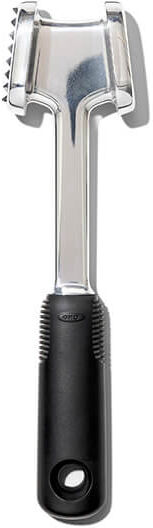
OXO Good Grips Meat TenderiserUpgrade your kitchen toolkit with the OXO Good Grips Meat Tenderiser, a durable die‑cast mallet built to deliver efficient, consistent results. Designed with two functional sides, it gives you the control to prep a wide range of proteins with ease. The textured, pyramid‑tooth surface helps loosen tough muscle fibres, allowing marinades to penetrate more effectively and improving tenderness. Flip to the smooth face to create even thickness in chicken, pork, or beef, supporting quicker, more uniform cooking. Thoughtfully balanced, the weighted head provides powerful impact without requiring extra effort, while the signature OXO soft, non‑slip handle keeps your grip secure—even with wet hands. Crafted from robust die‑cast aluminium, this tool is made to withstand regular use and remain a reliable part of your food‑prep routine.15,30 £*Shipping: 3,50 £Secure redirect to the provider
-
What is heavy metal-contaminated meat?
Heavy metal-contaminated meat refers to meat that has been exposed to and absorbed high levels of heavy metals such as lead, mercury, cadmium, and arsenic. These heavy metals can enter the meat through contaminated soil, water, or feed, and can accumulate in the tissues of the animals. Consumption of heavy metal-contaminated meat can pose serious health risks to humans, as these metals are toxic and can cause a range of health problems, including organ damage, neurological issues, and developmental delays, especially in children. Therefore, it is important to monitor and regulate heavy metal levels in meat to ensure food safety. **
-
What distinguishes a wood lathe from a metal lathe?
A wood lathe is specifically designed for working with wood, while a metal lathe is designed for working with metal. Wood lathes typically have lower speed ranges and higher torque to accommodate the softer and less dense nature of wood, while metal lathes have higher speed ranges and lower torque to handle the harder and denser nature of metal. Additionally, wood lathes often have features such as adjustable tool rests and tailstocks to accommodate the unique shapes and sizes of wood pieces, while metal lathes may have features such as coolant systems and chip trays to manage the heat and debris generated during metalworking. **
-
Is the precision mechanic similar to the machining mechanic?
While both precision mechanics and machining involve working with tools to create precise components, they are not exactly the same. Precision mechanics typically focuses on creating intricate and delicate components with high accuracy, often used in industries like watchmaking or electronics. Machining, on the other hand, involves using various tools to shape and cut raw materials into specific shapes and sizes, commonly used in industries like automotive or aerospace. Both mechanics require attention to detail and precision, but they differ in their specific applications and techniques. **
-
'Meat or no meat?'
The decision to eat meat or not is a personal choice that depends on individual beliefs, values, and dietary preferences. Some people choose to eat meat for its nutritional benefits, while others opt for a vegetarian or vegan diet for ethical, environmental, or health reasons. It's important to consider the impact of meat consumption on animal welfare, the environment, and personal health when making this decision. Ultimately, the choice of whether to eat meat or not is a personal one that should be made based on careful consideration of these factors. **
Similar search terms for Meat
-
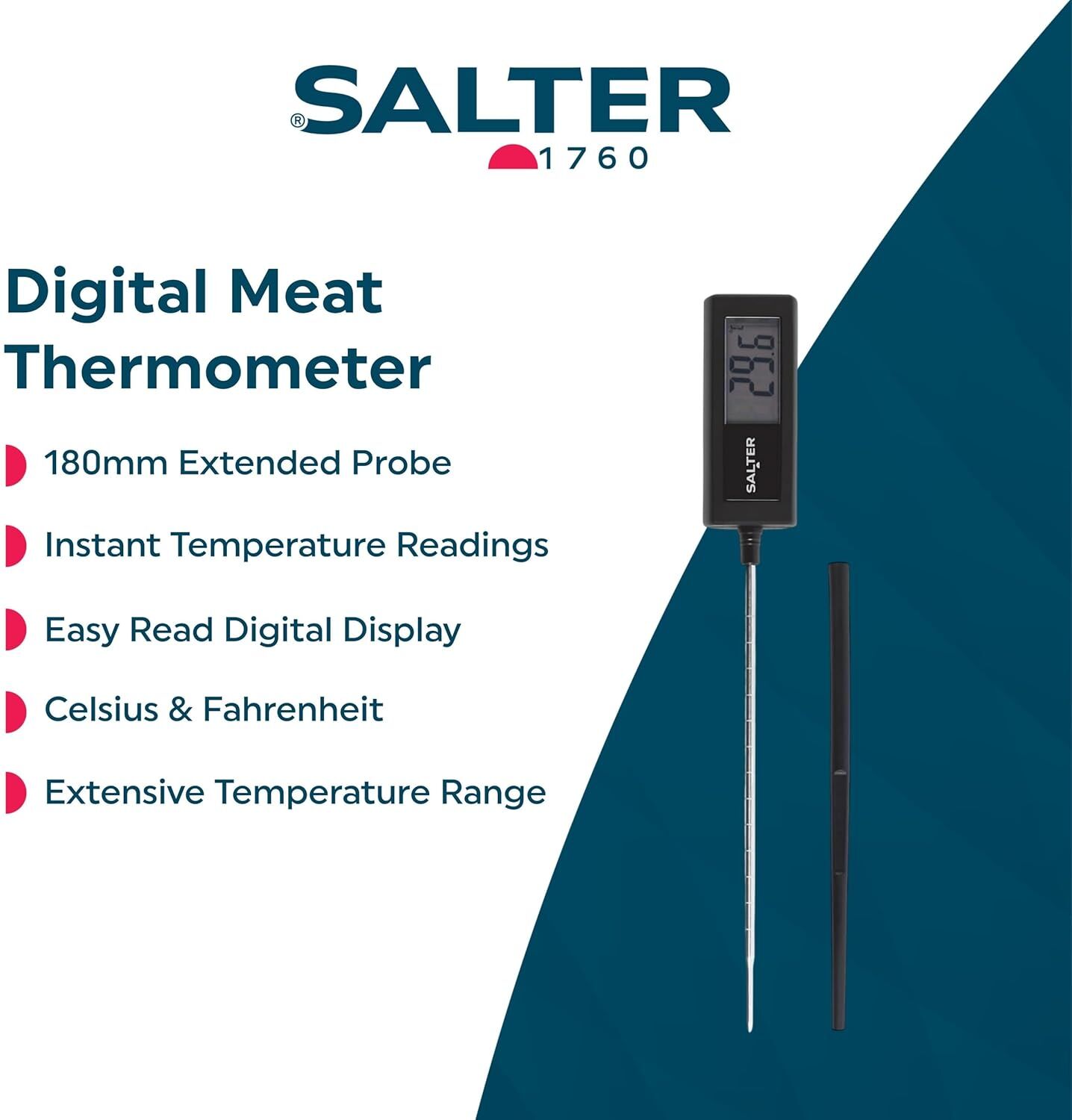
Salter Precision Meat Thermometer – 180mm Probe with Cover, Digital Display, °C/°F, Fast Accurate Reading (SA00634FEU12)Overview The Salter Precision Meat Thermometer features a 180mm extended stainless steel probe and protective cover, providing quick and accurate temperature readings. Ideal for use in kitchens, BBQs, air frying, and more, it displays temperatures in both Celsius and Fahrenheit on a clear digital screen. Key Features 180mm extended stainless steel probe for safe, precise temperature measurement Fast and accurate readings within seconds Dual temperature display in Celsius and Fahrenheit Easy-to-read digital display Protective cover for hygienic storage and safety Perfect for cooking meat, BBQs, air frying, milk, and other foods Lightweight and portable design for convenience Product Description Cook your meals to perfection with the Salter Precision Meat Thermometer. Equipped with a long 180mm probe, it allows safe insertion into thick cuts of meat, ensuring accurate internal temperature readings. The clear digital display shows temperatures in both Celsius and Fahrenheit, catering to your preferred measurement system. Quick to respond, this thermometer is perfect for monitoring the cooking of Sunday roasts, BBQs, air-fried dishes, and even milk. The included protective cover keeps the probe clean and safe when not in use. Lightweight and easy to handle, it’s an essential tool for any kitchen or grilling enthusiast.16,99 £*Shipping: 0,00 £Secure redirect to the provider
-
Wild meat or regular meat?
It's important to consider the ethical and environmental implications of consuming wild meat versus regular meat. Wild meat, such as game animals, can be a more sustainable and natural option as it is often hunted in a way that supports local ecosystems and wildlife populations. However, regular meat from domesticated animals can be more readily available and may be produced in a more controlled and regulated manner. Ultimately, the choice between wild meat and regular meat depends on individual preferences, ethical considerations, and access to sustainable sources. **
-
What are possible solutions for skilled workers in metalworking with machining technology?
Skilled workers in metalworking with machining technology can explore further training and certification programs to enhance their skills and stay current with industry trends. They can also seek out apprenticeship opportunities to gain hands-on experience and learn from experienced professionals. Additionally, networking within the industry and staying updated on new technologies can help skilled workers in metalworking with machining technology advance in their careers. **
-
Does meat substitute really replace meat?
Meat substitutes can provide a similar texture and taste to meat, making them a viable option for those looking to reduce their meat consumption. However, they may not fully replace the nutritional benefits of meat, as they may lack certain essential nutrients such as complete proteins, iron, and vitamin B12. Additionally, the environmental and ethical implications of meat production are not fully addressed by meat substitutes. While they can be a helpful alternative for some, it's important to consider the overall impact and nutritional value when choosing between meat and meat substitutes. **
-
Should vegan/vegetarian meat be called meat?
The term "meat" traditionally refers to the flesh of animals, so some argue that vegan/vegetarian alternatives should not be labeled as such. However, using the term "meat" for plant-based products helps consumers understand their purpose as substitutes for traditional meat. As long as the labeling is clear and transparent about the ingredients, it can be a helpful way to market these products to a wider audience. Ultimately, the decision on labeling should prioritize consumer understanding and transparency. **
* All prices are inclusive of VAT and, if applicable, plus shipping costs. The offer information is based on the details provided by the respective shop and is updated through automated processes. Real-time updates do not occur, so deviations can occur in individual cases. ** Note: Parts of this content were created by AI.