Buy metal-lathes.net ?
We are moving the project
metal-lathes.net .
Are you interested in purchasing the domain
metal-lathes.net ?
domain@kv-gmbh.de · 0541-91531010
Buy metal-lathes.net ?
How can one obtain potassium perchlorate (KClO4)?
Potassium perchlorate (KClO4) can be obtained by reacting potassium chlorate (KClO3) with a strong acid, such as hydrochloric acid (HCl), to form potassium perchlorate and hydrogen chloride gas. The reaction can be carried out in a controlled laboratory setting with proper safety precautions due to the potential hazards associated with perchlorates. It is important to follow proper procedures and safety guidelines when handling and synthesizing potassium perchlorate. **
What is the IUPAC name of perchlorate?
The IUPAC name of perchlorate is tetrachloratooxidane. **


Similar search terms for Perchlorate
Top-Angebote
Products related to Perchlorate:
-
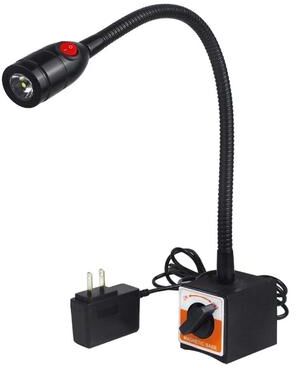
Multicon Wholesale Hub Premium Magnetic Base LED Work Light With Adjustable Flexible Gooseneck For CNC & Lathe Machines Premium Magnetic Base LED Work Light With Adjustable Flexible Gooseneck For CNC & Lathe MachinesStep up your workshop lighting and never miss a detail again with this magnetic base LED work light designed for machinists and DIY professionals alike. This precision CNC machine lamp brings bright, focused illumination right where you need...89,97 $*Shipping: 0,00 $Secure redirect to the provider
-
All Categories Goods Magnetic LED Work Light With Flexible Gooseneck CNC Machine Lamp Adjustable Lathe Work Light Magnetic LED Work Light With Flexible Gooseneck CNC Machine Lamp Adjustable Lathe Work LightStart every job with confidence using this magnetic LED work light designed for professionals and hobbyists alike. Built to deliver bright, consistent illumination exactly where you need it, this flexible gooseneck machine lamp stays firmly in place...127,97 $*Shipping: 0,00 $Secure redirect to the provider



-
How does potassium perchlorate react in water?
Potassium perchlorate is highly soluble in water, and when it dissolves, it dissociates into potassium ions and perchlorate ions. This dissociation results in the solution becoming acidic due to the presence of perchlorate ions. Additionally, potassium perchlorate can react with certain organic compounds in water, potentially leading to combustion or explosive reactions. Overall, the reaction of potassium perchlorate in water can be exothermic and potentially hazardous. **
-
How can potassium chlorate be converted into potassium perchlorate?
Potassium chlorate can be converted into potassium perchlorate by a process called electrolysis. In this process, potassium chlorate is dissolved in water and then subjected to an electric current. This causes the chlorate ions to lose oxygen atoms and form perchlorate ions. The perchlorate ions then combine with potassium ions to form potassium perchlorate. This process allows for the conversion of potassium chlorate into potassium perchlorate through the use of electricity. **
-
Is potassium perchlorate or potassium nitrate legal in Germany?
Potassium perchlorate is legal in Germany and can be purchased for certain uses such as in pyrotechnics and fireworks. However, it is regulated and requires a permit for purchase and use. On the other hand, potassium nitrate is also legal in Germany and is commonly used in fertilizers and as a food preservative. Both substances are regulated and their use is subject to specific laws and regulations in Germany. **
-
How is the disposal of potassium perchlorate (KClO4) carried out?
The disposal of potassium perchlorate (KClO4) is typically carried out by following local regulations and guidelines for hazardous waste disposal. This may involve contacting a licensed hazardous waste disposal company to properly handle and dispose of the substance. It is important to avoid flushing potassium perchlorate down the drain or disposing of it in regular trash, as it can be harmful to the environment and human health. Proper disposal methods help to prevent contamination and ensure the safe handling of the substance. **


What is the reaction equation for the disposal of potassium perchlorate?
The reaction equation for the disposal of potassium perchlorate is as follows: 2 KClO4 (s) → 2 KCl (s) + 3 O2 (g) This equation represents the decomposition of potassium perchlorate into potassium chloride and oxygen gas when heated to a high temperature. This reaction is often used in laboratory settings to safely dispose of potassium perchlorate. **
What distinguishes a wood lathe from a metal lathe?
A wood lathe is specifically designed for working with wood, while a metal lathe is designed for working with metal. Wood lathes typically have lower speed ranges and higher torque to accommodate the softer and less dense nature of wood, while metal lathes have higher speed ranges and lower torque to handle the harder and denser nature of metal. Additionally, wood lathes often have features such as adjustable tool rests and tailstocks to accommodate the unique shapes and sizes of wood pieces, while metal lathes may have features such as coolant systems and chip trays to manage the heat and debris generated during metalworking. **
Top-Angebote
Products related to Perchlorate:
-
Uplifted Finds New Hanging Spiral Rattle Stroller Toy Soft Plush Crib Car Seat Lathe Activity Toy New Hanging Spiral Rattle Stroller Toy Soft Plush Crib Car Seat Lathe Activity ToyKeep your infant entertained and engaged with this New Hanging Spiral Rattle Stroller Toy. This versatile Infant Baby Toy easily wraps around Cribs, Car Seats, and Strollers, making it the perfect Travel Activity Toy for onthego parents. Featuring...171,97 $*Shipping: 0,00 $Secure redirect to the provider
-
How can one obtain potassium perchlorate (KClO4)?
Potassium perchlorate (KClO4) can be obtained by reacting potassium chlorate (KClO3) with a strong acid, such as hydrochloric acid (HCl), to form potassium perchlorate and hydrogen chloride gas. The reaction can be carried out in a controlled laboratory setting with proper safety precautions due to the potential hazards associated with perchlorates. It is important to follow proper procedures and safety guidelines when handling and synthesizing potassium perchlorate. **
-
What is the IUPAC name of perchlorate?
The IUPAC name of perchlorate is tetrachloratooxidane. **
-
How does potassium perchlorate react in water?
Potassium perchlorate is highly soluble in water, and when it dissolves, it dissociates into potassium ions and perchlorate ions. This dissociation results in the solution becoming acidic due to the presence of perchlorate ions. Additionally, potassium perchlorate can react with certain organic compounds in water, potentially leading to combustion or explosive reactions. Overall, the reaction of potassium perchlorate in water can be exothermic and potentially hazardous. **
-
How can potassium chlorate be converted into potassium perchlorate?
Potassium chlorate can be converted into potassium perchlorate by a process called electrolysis. In this process, potassium chlorate is dissolved in water and then subjected to an electric current. This causes the chlorate ions to lose oxygen atoms and form perchlorate ions. The perchlorate ions then combine with potassium ions to form potassium perchlorate. This process allows for the conversion of potassium chlorate into potassium perchlorate through the use of electricity. **
Similar search terms for Perchlorate
-
Multicon Wholesale Hub Premium Magnetic Base LED Work Light With Adjustable Flexible Gooseneck For CNC & Lathe Machines Premium Magnetic Base LED Work Light With Adjustable Flexible Gooseneck For CNC & Lathe MachinesStep up your workshop lighting and never miss a detail again with this magnetic base LED work light designed for machinists and DIY professionals alike. This precision CNC machine lamp brings bright, focused illumination right where you need...89,97 $*Shipping: 0,00 $Secure redirect to the provider
-
All Categories Goods Magnetic LED Work Light With Flexible Gooseneck CNC Machine Lamp Adjustable Lathe Work Light Magnetic LED Work Light With Flexible Gooseneck CNC Machine Lamp Adjustable Lathe Work LightStart every job with confidence using this magnetic LED work light designed for professionals and hobbyists alike. Built to deliver bright, consistent illumination exactly where you need it, this flexible gooseneck machine lamp stays firmly in place...127,97 $*Shipping: 0,00 $Secure redirect to the provider
-
All Categories Goods Heavy Duty Magnetic Base Work Light With Flexible Gooseneck LED Lamp For Lathe & CNC Milling Machines Heavy Duty Magnetic Base Work Light With Flexible Gooseneck LED Lamp For Lathe & CNC Milling MachinesStep into a brighter, more precise workspace with the magnetic base work light that machinists and DIYers love. Designed to deliver focused illumination exactly where you need it, this gooseneck LED lamp makes detailed work on lathes and CNC mills...79,97 $*Shipping: 0,00 $Secure redirect to the provider
-
Is potassium perchlorate or potassium nitrate legal in Germany?
Potassium perchlorate is legal in Germany and can be purchased for certain uses such as in pyrotechnics and fireworks. However, it is regulated and requires a permit for purchase and use. On the other hand, potassium nitrate is also legal in Germany and is commonly used in fertilizers and as a food preservative. Both substances are regulated and their use is subject to specific laws and regulations in Germany. **
-
How is the disposal of potassium perchlorate (KClO4) carried out?
The disposal of potassium perchlorate (KClO4) is typically carried out by following local regulations and guidelines for hazardous waste disposal. This may involve contacting a licensed hazardous waste disposal company to properly handle and dispose of the substance. It is important to avoid flushing potassium perchlorate down the drain or disposing of it in regular trash, as it can be harmful to the environment and human health. Proper disposal methods help to prevent contamination and ensure the safe handling of the substance. **
-
What is the reaction equation for the disposal of potassium perchlorate?
The reaction equation for the disposal of potassium perchlorate is as follows: 2 KClO4 (s) → 2 KCl (s) + 3 O2 (g) This equation represents the decomposition of potassium perchlorate into potassium chloride and oxygen gas when heated to a high temperature. This reaction is often used in laboratory settings to safely dispose of potassium perchlorate. **
-
What distinguishes a wood lathe from a metal lathe?
A wood lathe is specifically designed for working with wood, while a metal lathe is designed for working with metal. Wood lathes typically have lower speed ranges and higher torque to accommodate the softer and less dense nature of wood, while metal lathes have higher speed ranges and lower torque to handle the harder and denser nature of metal. Additionally, wood lathes often have features such as adjustable tool rests and tailstocks to accommodate the unique shapes and sizes of wood pieces, while metal lathes may have features such as coolant systems and chip trays to manage the heat and debris generated during metalworking. **
* All prices are inclusive of VAT and, if applicable, plus shipping costs. The offer information is based on the details provided by the respective shop and is updated through automated processes. Real-time updates do not occur, so deviations can occur in individual cases. ** Note: Parts of this content were created by AI.