Buy metal-lathes.net ?
We are moving the project
metal-lathes.net .
Are you interested in purchasing the domain
metal-lathes.net ?
domain@kv-gmbh.de · 0541-91531010
Buy metal-lathes.net ?
Why is the motion sensor turning on with a delay?
The motion sensor may be turning on with a delay due to a few possible reasons. One reason could be that the sensor's sensitivity is set too low, causing it to take longer to detect motion. Another reason could be that there is interference from other electronic devices or sources of infrared radiation, which could be affecting the sensor's ability to detect motion promptly. Additionally, the sensor may be experiencing technical issues or malfunctions, such as a low battery or a faulty connection, which could be causing the delay in its response. **
What distinguishes a wood lathe from a metal lathe?
A wood lathe is specifically designed for working with wood, while a metal lathe is designed for working with metal. Wood lathes typically have lower speed ranges and higher torque to accommodate the softer and less dense nature of wood, while metal lathes have higher speed ranges and lower torque to handle the harder and denser nature of metal. Additionally, wood lathes often have features such as adjustable tool rests and tailstocks to accommodate the unique shapes and sizes of wood pieces, while metal lathes may have features such as coolant systems and chip trays to manage the heat and debris generated during metalworking. **
Similar search terms for Sensor
Top-Angebote
Products related to Sensor:


-
Is the sensor of my Nikon D5100 a full-frame sensor?
No, the sensor of the Nikon D5100 is not a full-frame sensor. It is an APS-C sized sensor, which is smaller than a full-frame sensor. This means that the field of view captured by the sensor is narrower compared to a full-frame sensor, resulting in a crop factor of approximately 1.5x for Nikon DX format cameras like the D5100. **
-
How can the NXT color sensor and light sensor be programmed?
The NXT color sensor and light sensor can be programmed using the NXT-G programming software, which allows users to create custom programs for the sensors. The software provides a range of pre-built blocks that can be used to control and read data from the sensors, making it easy to create complex behaviors. Additionally, the sensors can be programmed using other programming languages such as RobotC or Java, which provide more advanced capabilities for controlling and processing sensor data. Overall, the NXT color sensor and light sensor can be programmed using a variety of tools and languages to suit the needs of the user. **
-
What is the light sensor and what is the rain sensor?
A light sensor is a device that detects the presence or absence of light. It measures the intensity of light in its surroundings and can be used to automatically adjust lighting levels in response to changing light conditions. On the other hand, a rain sensor is a device that detects the presence of rain or moisture. It is commonly used in automated irrigation systems to prevent watering when it is raining, conserving water and preventing overwatering of plants. **
-
Is the precision mechanic similar to the machining mechanic?
While both precision mechanics and machining involve working with tools to create precise components, they are not exactly the same. Precision mechanics typically focuses on creating intricate and delicate components with high accuracy, often used in industries like watchmaking or electronics. Machining, on the other hand, involves using various tools to shape and cut raw materials into specific shapes and sizes, commonly used in industries like automotive or aerospace. Both mechanics require attention to detail and precision, but they differ in their specific applications and techniques. **
Which sensor is this?
This is a photoelectric sensor. It uses a light emitter and a receiver to detect the presence or absence of an object. When the emitted light is interrupted by an object, the sensor detects the change and triggers a response, such as turning on a light or stopping a conveyor belt. Photoelectric sensors are commonly used in industrial automation, packaging, and material handling applications. **
Inductive or Hall sensor?
The choice between an inductive sensor and a Hall sensor depends on the specific application and requirements. Inductive sensors are typically used for non-contact detection of metallic objects and are suitable for harsh industrial environments due to their robustness. On the other hand, Hall sensors are used for detecting the presence of magnetic fields and are often used in applications such as position sensing and speed detection. Ultimately, the decision between the two sensors should be based on the specific needs of the application, including the type of target object and the environmental conditions. **
Top-Angebote
Products related to Sensor:
-
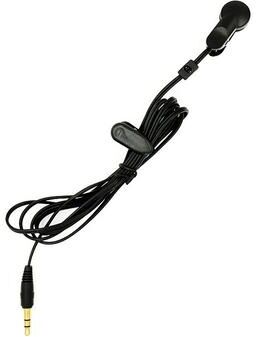
Inspired Deals Precision Ear Clip Heart Rate Monitor Sensor For Treadmill & Fitness Equipment Precision Ear Clip Heart Rate Monitor Sensor For Treadmill & Fitness EquipmentStay in control of your workouts with a reliable heart rate monitor sensor designed for accuracy and ease. This compact ear clip device delivers fast, precise readings, making it perfect for fitness enthusiasts and anyone tracking performance....39,97 $*Shipping: 0,00 $Secure redirect to the provider
-
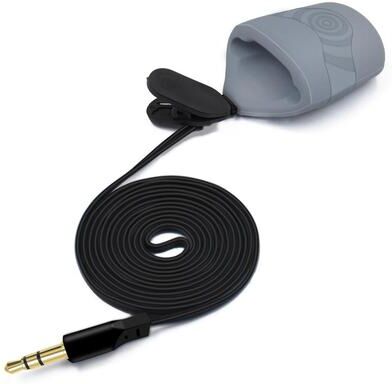
Everyday Crate Precision Fingertip Heart Rate Sensor Monitor For Fitness Equipment & Mobile Tracking Precision Fingertip Heart Rate Sensor Monitor For Fitness Equipment & Mobile TrackingStay in tune with your performance and take control of every workout with this heart rate monitor designed for accurate, realtime tracking. Whether you're training on a treadmill, stepper, or other cardio equipment, this compact sensor helps you...44,97 $*Shipping: 0,00 $Secure redirect to the provider
-
Why is the motion sensor turning on with a delay?
The motion sensor may be turning on with a delay due to a few possible reasons. One reason could be that the sensor's sensitivity is set too low, causing it to take longer to detect motion. Another reason could be that there is interference from other electronic devices or sources of infrared radiation, which could be affecting the sensor's ability to detect motion promptly. Additionally, the sensor may be experiencing technical issues or malfunctions, such as a low battery or a faulty connection, which could be causing the delay in its response. **
-
What distinguishes a wood lathe from a metal lathe?
A wood lathe is specifically designed for working with wood, while a metal lathe is designed for working with metal. Wood lathes typically have lower speed ranges and higher torque to accommodate the softer and less dense nature of wood, while metal lathes have higher speed ranges and lower torque to handle the harder and denser nature of metal. Additionally, wood lathes often have features such as adjustable tool rests and tailstocks to accommodate the unique shapes and sizes of wood pieces, while metal lathes may have features such as coolant systems and chip trays to manage the heat and debris generated during metalworking. **
-
Is the sensor of my Nikon D5100 a full-frame sensor?
No, the sensor of the Nikon D5100 is not a full-frame sensor. It is an APS-C sized sensor, which is smaller than a full-frame sensor. This means that the field of view captured by the sensor is narrower compared to a full-frame sensor, resulting in a crop factor of approximately 1.5x for Nikon DX format cameras like the D5100. **
-
How can the NXT color sensor and light sensor be programmed?
The NXT color sensor and light sensor can be programmed using the NXT-G programming software, which allows users to create custom programs for the sensors. The software provides a range of pre-built blocks that can be used to control and read data from the sensors, making it easy to create complex behaviors. Additionally, the sensors can be programmed using other programming languages such as RobotC or Java, which provide more advanced capabilities for controlling and processing sensor data. Overall, the NXT color sensor and light sensor can be programmed using a variety of tools and languages to suit the needs of the user. **
Similar search terms for Sensor
-
What is the light sensor and what is the rain sensor?
A light sensor is a device that detects the presence or absence of light. It measures the intensity of light in its surroundings and can be used to automatically adjust lighting levels in response to changing light conditions. On the other hand, a rain sensor is a device that detects the presence of rain or moisture. It is commonly used in automated irrigation systems to prevent watering when it is raining, conserving water and preventing overwatering of plants. **
-
Is the precision mechanic similar to the machining mechanic?
While both precision mechanics and machining involve working with tools to create precise components, they are not exactly the same. Precision mechanics typically focuses on creating intricate and delicate components with high accuracy, often used in industries like watchmaking or electronics. Machining, on the other hand, involves using various tools to shape and cut raw materials into specific shapes and sizes, commonly used in industries like automotive or aerospace. Both mechanics require attention to detail and precision, but they differ in their specific applications and techniques. **
-
Which sensor is this?
This is a photoelectric sensor. It uses a light emitter and a receiver to detect the presence or absence of an object. When the emitted light is interrupted by an object, the sensor detects the change and triggers a response, such as turning on a light or stopping a conveyor belt. Photoelectric sensors are commonly used in industrial automation, packaging, and material handling applications. **
-
Inductive or Hall sensor?
The choice between an inductive sensor and a Hall sensor depends on the specific application and requirements. Inductive sensors are typically used for non-contact detection of metallic objects and are suitable for harsh industrial environments due to their robustness. On the other hand, Hall sensors are used for detecting the presence of magnetic fields and are often used in applications such as position sensing and speed detection. Ultimately, the decision between the two sensors should be based on the specific needs of the application, including the type of target object and the environmental conditions. **
* All prices are inclusive of VAT and, if applicable, plus shipping costs. The offer information is based on the details provided by the respective shop and is updated through automated processes. Real-time updates do not occur, so deviations can occur in individual cases. ** Note: Parts of this content were created by AI.